Concerned About Your Risk for a Heart Attack?
If you have elevated Lp(a)—a genetic cholesterol that builds up regardless of diet or exercise—you may be at 3x higher risk. Join a study testing a new treatment that could help prevent your first major heart event.
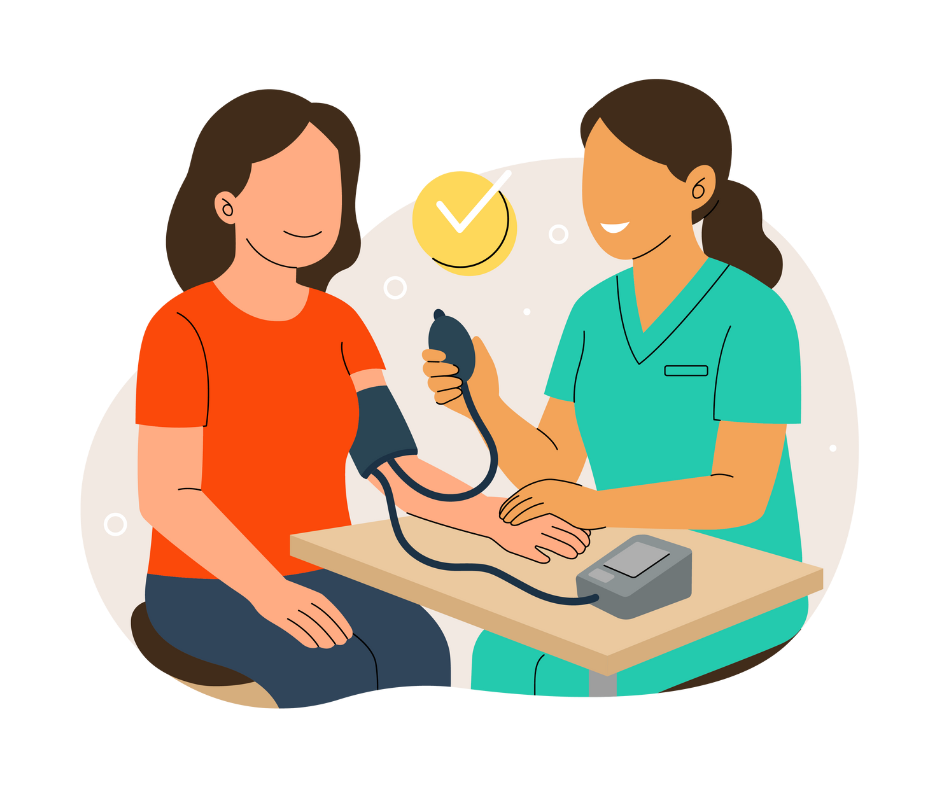
The Hidden Risk Most Doctors Don't Check
People Have High Lp(a)
And most don't know it because it's not included in standard cholesterol tests
Increased Stroke Risk
Elevated Lp(a) significantly increases your risk of stroke and heart disease
Doctors Don't Check
Most doctors don't regularly test for Lp(a), and it's rarely covered by insurance
About the Lipoprotein(a) Heart Health Study
About the Study
This is a Phase 3 global research study testing olpasiran, an investigational medication that targets Lp(a) production in the liver. With 1 in 5 people having elevated Lp(a)—often without knowing it—this study aims to see if lowering Lp(a) can help prevent first major heart attacks, strokes, or urgent heart procedures.
What Is Lp(a)?
Lipoprotein(a), or Lp(a), is a genetic protein in your blood that builds up regardless of diet or exercise. Unlike other cholesterol, you can't control it with lifestyle changes. High Lp(a) increases stroke risk by 60%, yet 90% of doctors don't regularly check it. It's typically not included in standard cholesterol tests.
Who We're Looking For
Adults with elevated Lp(a) levels and risk factors like high blood pressure, high cholesterol, diabetes, family history of heart disease, or smoking. If you have high Lp(a) and want to contribute to critical research that could help future generations, we'd like to hear from you.
Could This Study Be Right for You?
If you have elevated Lp(a) and cardiovascular risk factors, you may qualify for this study.
You May Qualify If:
- You are an adult (18 years or older)
- You have been told you have high Lp(a) levels
- You have cardiovascular risk factors such as:
- High blood pressure
- High cholesterol
- Type 2 diabetes
- Family history of heart disease
- Current or past smoking
- You can attend regular study visits in Plant City, FL
You May Not Qualify If:
- You've had a previous heart attack or stroke
- You have severe kidney or liver problems
- You are pregnant, breastfeeding, or planning to become pregnant
- You have a major procedure or surgery planned soon
- You have uncontrolled medical conditions
- You are taking certain medications that may interfere with the study
A full evaluation will determine if the study is safe and right for you.
How Olpasiran Works
An investigational approach to lowering Lp(a) and reducing cardiovascular risk
A Novel Approach to Heart Disease Prevention
About the Study Medication
Olpasiran (AMG 890) is an investigational medication using RNA interference technology to block Lp(a) production in your liver. Since Lp(a) is genetic and not affected by diet or exercise, this targeted approach may be the key to reducing cardiovascular risk for people with elevated Lp(a). Olpasiran is not yet FDA-approved.
Why This Matters
High Lp(a) is genetically determined and can't be controlled with lifestyle changes or standard cholesterol medications. Currently, there are no approved Lp(a) treatments on the market. This groundbreaking study is testing whether lowering Lp(a) with olpasiran could help prevent first heart attacks, strokes, or urgent heart procedures in at-risk individuals.
Targets Lp(a) at Its Source
Olpasiran is a small interfering RNA (siRNA) that works by blocking the production of Lp(a) in your liver.
This approach is designed to lower Lp(a) levels where they are made.
Preventing First Major Heart Events
The study aims to see if lowering Lp(a) can help prevent heart attacks, urgent heart procedures, or death from heart disease.
This research may help people at higher risk for cardiovascular events.
Close Monitoring & Safety
You'll receive regular health monitoring, blood tests, heart checks (ECGs), and safety assessments throughout the study.
The study is overseen by independent safety committees and an ethics review board.
Simple Treatment Schedule
The study drug is given as an injection under the skin about every 3 months (every 12 weeks).
The first three injections include a 30-minute observation period for safety.

About Dr. Richard Powell
Principal Investigator
Dr. Powell is a physician researcher dedicated to advancing cardiovascular care through clinical trials. "Heart disease remains a leading health concern," he says. "We're committed to finding new ways to protect people at higher risk."
Physician Researcher
MPH, MD
Cardiovascular Research
Leading heart health clinical trials
Patient-Centered Care
Dedicated to safe, compassionate research
"Research gives us hope for better ways to prevent heart disease. Every participant who joins us helps advance what we know about protecting hearts."
Everything We Provide
No insurance required. All study care, monitoring, and Lp(a) testing provided free. Compensation and travel support included.
Compensation for Your Time
You'll receive $100 for each completed study visit. Payments are provided for your time and commitment, whether you receive the study medication or placebo.
Travel Expenses Reimbursed
Reasonable travel costs including mileage, parking, and other out-of-pocket expenses are reimbursed when you submit receipts to the study staff.
No Insurance Required
All study-related care is provided at no cost. Study medication (or placebo), Lp(a) testing, blood work, ECGs, physical exams, and monitoring — all free. No insurance needed, no charges for any study visits or procedures.
Expert Team
Experienced research team providing careful monitoring and safety assessments throughout screening, treatment, and follow‑up periods.
What to Expect
From screening to follow‑up, we'll support you every step. Travel expenses reimbursed.
Screening Period (Up to 2 Months)
We'll review your medical history, measure your Lp(a) levels, and perform health assessments including blood work, ECG, and vital signs to ensure the study is safe for you. About 2 screening visits.
Treatment Period (3.5 to 5 Years)
You'll receive study medication or placebo as an injection under the skin about every 3 months (every 12 weeks). Regular visits include health monitoring, blood tests, ECGs, and safety checks. Compensation provided for each visit.
Safety Follow‑up (About 30 Days)
About 30 days after your last study drug injection, we'll check in with you to make sure you're doing well. This may be a visit or phone call depending on timing.
Total Study Duration
You are expected to be in the study for approximately 3.5 to 5.5 years total, based on when you start. You can choose to stop at any time without penalty. Visits are scheduled around your availability.
Frequently Asked Questions
Find answers to common questions about our clinical research study.
Have more questions about the study?
Get your Lp(a) TestedTake the First Step Today
Call or text +1 (813) 796‑6716. Or email info@denali-health.com. Travel expenses reimbursed to help you get here.
Office Location
Address
1601 W Reynolds St STE 203
Plant City, FL 33563
Hours
Mon–Fri: 8am–5pm
Sat: 9am–1pm (by appt)
Transportation
Travel expenses reimbursed
Free parking available